
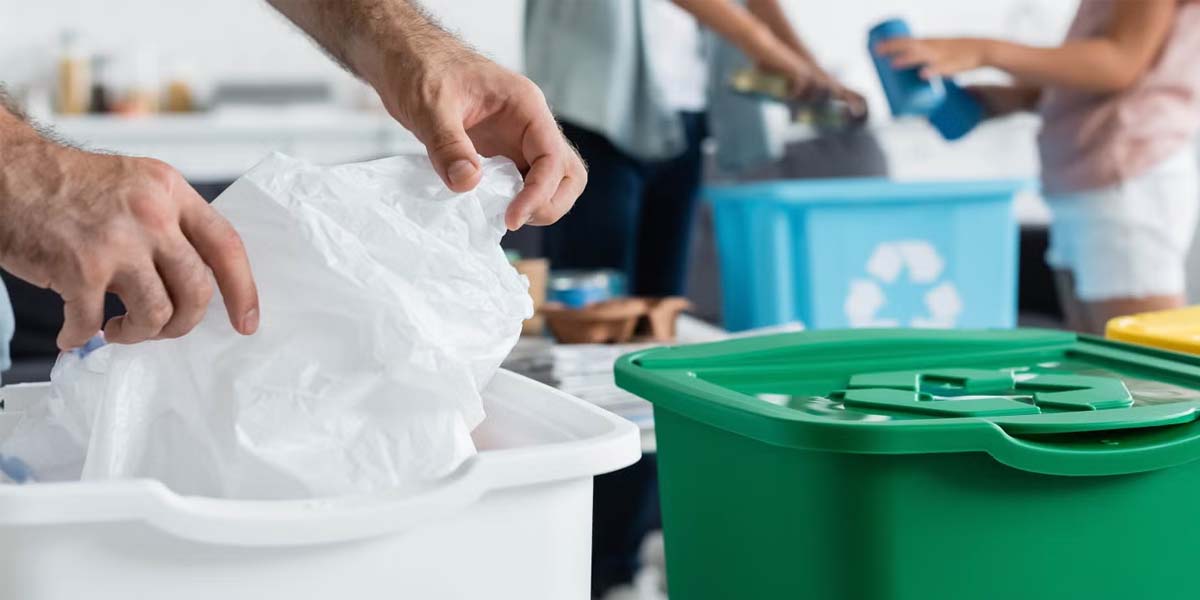
Implementing sustainable recycling practices is not just good for the environment — it's also good for business. Companies that embrace recycling can reduce costs, improve their reputation, and contribute to a more sustainable future.
Why Sustainable Recycling Matters
There are many reasons why businesses should prioritize sustainable recycling:
- Environmental Impact: Recycling reduces waste and conserves natural resources. It also reduces carbon emissions and energy consumption.
- Cost Savings: Recycling can reduce waste disposal costs and provide a source of revenue from the sale of recyclable materials.
- Regulatory Compliance: Many jurisdictions have recycling and waste reduction requirements. Compliance can help avoid fines and penalties.
- Customer Expectations: Customers increasingly expect businesses to be environmentally responsible.
- Reputation: Companies that are seen as sustainable have a competitive advantage.
- Employee Engagement: Employees are often more engaged and motivated when working for environmentally responsible companies.
Key Areas for Business Recycling
Businesses can focus on several key areas to improve their recycling practices:
- Office Recycling: Implement recycling programs for paper, cardboard, plastic, and metals in office environments.
- Manufacturing Waste: Recycle scrap materials from manufacturing processes.
- Electronic Waste: Properly dispose of and recycle electronic equipment, including computers, phones, and other devices.
- Packaging: Reduce packaging waste and use recyclable or compostable packaging materials.
- Construction and Demolition: Recycle materials from construction and demolition activities.
- Food Waste: Compost food waste or work with food recycling programs.
Implementing a Sustainable Recycling Program
Steps to implement a sustainable recycling program:
- Assess Current Practices: Conduct a waste audit to understand current waste generation and disposal practices.
- Set Goals: Set measurable recycling and waste reduction goals for your business.
- Develop a Plan: Develop a comprehensive plan for achieving your recycling goals. Include timelines, responsibilities, and resources.
- Provide Infrastructure: Provide the necessary infrastructure, including recycling bins, containers, and collection services.
- Educate Employees: Train employees on recycling practices and the importance of waste reduction.
- Monitor and Evaluate: Track recycling rates and evaluate the effectiveness of your programs. Use data to identify improvement opportunities.
- Communicate Success: Share your achievements with employees, customers, and stakeholders.
Benefits of Sustainable Business Recycling
Businesses that implement sustainable recycling practices can enjoy numerous benefits:
- Cost Reduction: Reduce waste disposal costs and generate revenue from recyclable materials.
- Improved Reputation: Enhance your brand reputation by demonstrating environmental responsibility.
- Customer Loyalty: Build customer loyalty among consumers who value sustainability.
- Employee Engagement: Improve employee satisfaction and retention by demonstrating commitment to sustainability.
- Regulatory Compliance: Avoid fines and penalties by complying with recycling and waste reduction regulations.
- Competitive Advantage: Differentiate your business by being a leader in sustainability.
- Long-Term Viability: Contribute to a more sustainable future and long-term business viability.
Working with Recycling Partners
Choosing the right recycling partners is essential for a successful program:
- Research Recyclers: Find certified, reputable recyclers that meet your needs.
- Verify Certifications: Look for certifications like ISO 14001, R2, or e-Stewards.
- Check Compliance: Ensure recyclers comply with local, national, and international regulations.
- Contract Terms: Understand contract terms, pricing, and reporting requirements.
- Build Relationships: Build long-term relationships with trusted recycling partners.