
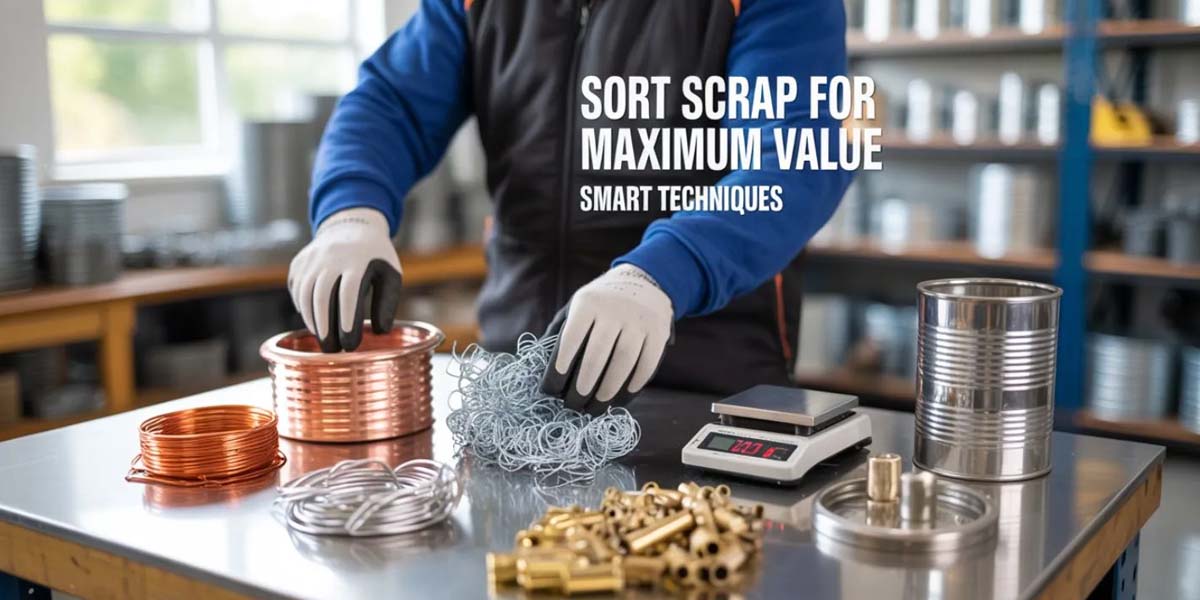
Getting the best price for your scrap metal requires knowledge and strategy. Whether you're an individual selling small quantities or a business managing large volumes, these tips will help you maximize your returns and avoid common mistakes.
1. Sort Your Scrap Properly
Proper sorting is essential for getting the best prices:
- Separate Metals: Different metals command different prices. Keep copper, aluminum, steel, brass, bronze, stainless steel, and other metals separate. Mixing metals reduces their value significantly.
- Grade Your Materials: Understand the different grades of scrap and separate accordingly. For example, bare bright copper is worth more than insulated copper wire, and clean aluminum extrusions are worth more than aluminum cans.
- Remove Attachments: Remove non-metal parts like plastic, rubber, wood, and other attachments. These contaminants reduce the value of your scrap and can result in penalties.
- Clean Your Scrap: Clean scrap is worth more than dirty scrap. Remove dirt, oil, grease, paint, and other contaminants. Clean scrap can command premiums of 10-20% or more.
- Separate by Quality: Within the same metal, separate by quality. For example, separate high-quality bright copper from lower-quality tarnished copper.
- Keep Records: Keep records of what you collect and sell. This helps you track your earnings, identify the most profitable materials, and manage your inventory.
2. Understand Market Prices
Knowledge of market prices is crucial for getting the best value:
- Monitor Prices: Stay informed about current scrap metal prices. Prices fluctuate based on supply and demand, global economic conditions, and market dynamics.
- Know the Factors: Understand what drives prices. For example, copper prices are influenced by construction and electronics demand, while steel prices are driven by construction and manufacturing activity.
- Use Price Sources: Check multiple price sources including LME (London Metal Exchange), COMEX, and industry publications. Understanding different price benchmarks helps you negotiate better.
- Check Multiple Buyers: Get prices from multiple buyers to ensure you're getting a fair deal. Different buyers may offer different prices based on their needs, processing capabilities, and market positions.
- Timing Matters: Scrap prices can vary significantly over time. Selling when prices are high can dramatically increase your returns. Consider waiting for price peaks if you can store your scrap.
- Seasonal Patterns: Some metals have seasonal price patterns. For example, copper and steel prices often rise in spring and summer due to construction activity.
3. Choose the Right Buyer
Selecting the right buyer can make a big difference:
- Research Buyers: Look for reputable buyers with competitive prices and good reviews. Check online reviews, ratings, and recommendations.
- Compare Quotes: Get quotes from multiple buyers to find the best offer. Don't settle for the first quote you receive.
- Consider Convenience: Some buyers offer collection services, which can save time and effort. Consider the convenience factor when choosing a buyer.
- Check Payment Terms: Understand when and how you'll be paid. Fast payment is often a priority for sellers. Look for buyers offering same-day or next-day payment.
- Verify Certifications: Look for buyers with industry certifications like ISO 14001, which indicates commitment to environmental standards.
- Build Relationships: Building relationships with reliable buyers can lead to better prices, priority service, and better terms over time.
- Check Weight Accuracy: Ensure buyers use certified scales and provide transparent weighing processes.
4. Prepare Your Scrap for Sale
How you prepare your scrap can affect its value:
- Clean and Dry: Clean and dry scrap is worth more than wet or contaminated material. Drying wet scrap ensures accurate weighing and better prices.
- Compact When Possible: Compacting scrap can make it easier to transport and may increase its value. Use compactors, balers, or crushers for materials like aluminum cans and steel.
- Remove Insulation: Stripping insulation from copper wire can significantly increase its value. A wire stripper can pay for itself quickly if you have large quantities of insulated wire.
- Bundle Similar Materials: Keep similar materials together for easier processing and better pricing. Bundling improves efficiency and can result in premium prices.
- Weigh Your Scrap: Know the weight of your scrap before selling to ensure you're paid correctly. Consider using a certified scale for accuracy.
- Remove Hazardous Materials: Ensure no hazardous materials are mixed with your scrap. This can result in rejection or penalties.
- Consider Processing: For larger quantities, consider processing your scrap (shredding, baling, etc.) to increase its value.
5. Timing Your Sale
When you sell can be just as important as what you sell:
- Seasonal Trends: Some metals have seasonal price patterns. For example, copper prices often rise in spring and summer due to construction activity.
- Economic Cycles: Economic growth typically drives demand for metals, leading to higher prices. Monitor economic indicators and industry reports.
- Global Events: Events like trade disputes, conflicts, and natural disasters can affect metal prices. Stay informed about global events that could impact markets.
- Supply and Demand: When supply is tight and demand is high, prices go up. Monitor news and industry reports to stay informed about supply-demand dynamics.
- Price Trends: Understand price trends and try to sell at peaks rather than troughs. Consider using price charts and technical analysis to identify trends.
- Storage Costs: Consider the cost of storing your scrap. If storage costs are high, it may be better to sell sooner rather than later.
6. Common Mistakes to Avoid
Learn from common mistakes to maximize your returns:
- Mixing Metals: Mixing different metals reduces their value. Always sort before selling. Even small amounts of contamination can significantly reduce the price.
- Selling Too Early: Selling when prices are low can cost you money. Be patient and wait for the right time, especially for high-value metals like copper.
- Not Shopping Around: Different buyers offer different prices. Always compare quotes from multiple buyers.
- Overlooking Small Quantities: Even small quantities can add up. Don't overlook the value of smaller items and accumulate them for a better price.
- Ignoring Market Trends: Staying informed about market trends can help you make better decisions and maximize your returns.
- Not Preparing Properly: Failing to clean and sort scrap reduces its value. Proper preparation can significantly increase the price you receive.
- Using Inaccurate Scales: Ensure the buyer uses certified and calibrated scales. If you have large quantities, consider weighing your scrap independently.
- Falling for Scams: Be cautious of buyers offering prices that seem too good to be true or using questionable weighing practices.
7. Sustainability and Recycling
Recycling scrap metal has significant environmental benefits:
- Reduced Carbon Footprint: Recycling metals reduces carbon emissions compared to mining and processing virgin materials. For example, recycled aluminum produces 95% less CO2 than primary production.
- Energy Savings: Recycling saves significant energy. Aluminum recycling saves 95% of the energy required to produce it from raw materials.
- Conservation of Resources: Recycling conserves natural resources and reduces the need for mining, which has significant environmental impacts.
- Economic Benefits: The recycling industry supports jobs and contributes to local economies. It also provides a valuable source of materials for manufacturers.
- Waste Reduction: Recycling diverts materials from landfills, reducing environmental pollution and conserving landfill space.
8. Building a Long-Term Strategy
For businesses, developing a long-term scrap management strategy can maximize returns:
- Regular Collection: Establish regular collection schedules to maintain a consistent flow of scrap and avoid accumulation.
- Quality Control: Implement quality control processes to ensure your scrap meets buyer requirements.
- Market Monitoring: Develop a system for monitoring market prices and identifying optimal selling times.
- Relationship Management: Build and maintain relationships with multiple buyers to ensure competitive pricing.
- Documentation: Keep detailed records of scrap sales for tax purposes and business analysis.
- Continuous Improvement: Regularly review and improve your scrap management processes to increase efficiency and returns.