
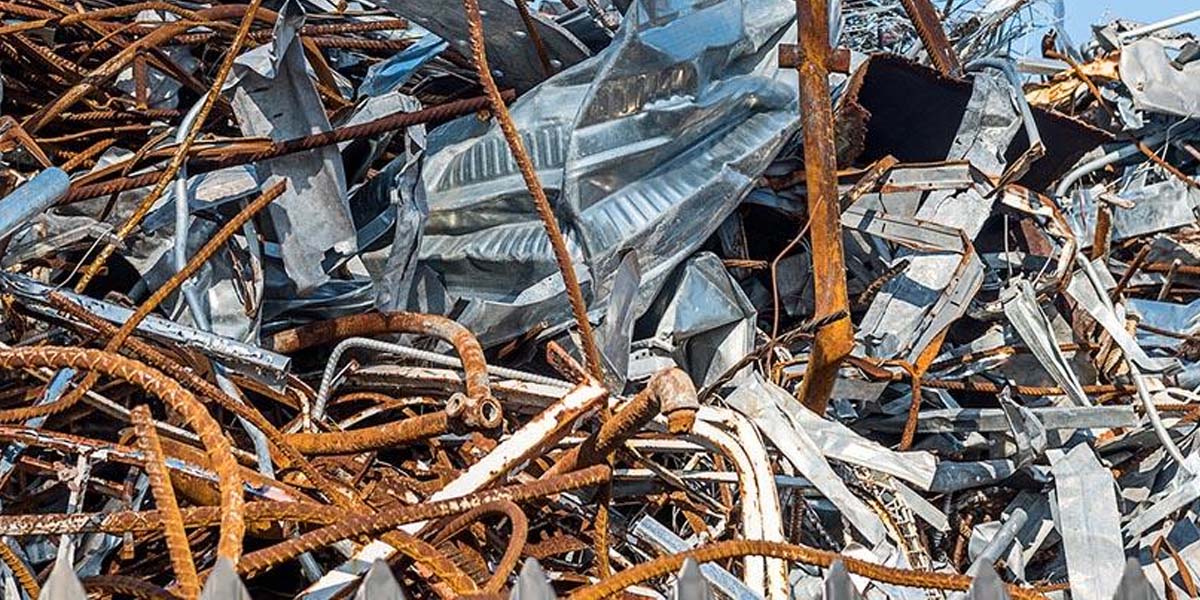
The scrap metal recycling industry is undergoing a significant transformation in 2025. With technological advancements, changing regulations, and growing environmental awareness, the landscape is evolving rapidly.
Key Trends Shaping the Industry
Several key trends are driving change in the scrap metal recycling sector:
- AI-Powered Sorting Technology: Advanced artificial intelligence and machine learning algorithms are revolutionizing material sorting. These systems can identify and separate different metals with unprecedented accuracy, improving purity and reducing waste. Computer vision and hyperspectral imaging allow for real-time identification of materials, enabling faster and more efficient sorting.
- Automated Processing: Robotics and automation are streamlining the recycling process. From automated shredding to robotic sorting, these technologies are increasing efficiency and reducing labor costs. Automated systems can process materials 24/7, significantly increasing throughput.
- Sustainable Practices: Companies are adopting more sustainable practices to reduce their environmental impact. This includes using renewable energy sources, reducing water usage, implementing circular economy principles, and achieving carbon neutrality in operations.
- Growing Demand for Recycled Metals: Global demand for recycled metals continues to rise, driven by construction, manufacturing, and the green energy transition. Electric vehicles require 3-4 times more copper than conventional vehicles, while renewable energy infrastructure needs significant amounts of aluminum and steel.
- Regulatory Changes: New regulations are promoting recycling and reducing waste. Extended Producer Responsibility (EPR) laws, stricter waste management regulations, and carbon pricing mechanisms are creating new opportunities for recyclers.
Technology Transforming the Industry
Technology is playing a crucial role in transforming the scrap metal recycling industry:
- IoT Sensors: Internet of Things sensors are monitoring recycling equipment, tracking material flows, and optimizing performance in real-time.
- Blockchain: Blockchain technology is being used to track materials through the supply chain, ensuring transparency, traceability, and fraud prevention.
- Digital Platforms: Online marketplaces and digital platforms are connecting buyers and sellers, making it easier to trade scrap materials and access real-time pricing information.
- Data Analytics: Big data and analytics are helping recyclers optimize operations, predict market trends, and make data-driven decisions.
- Advanced Metallurgy: New metallurgical processes are enabling the recovery of valuable metals from complex materials, increasing recycling rates.
What This Means for Scrap Sellers
For individuals and businesses selling scrap, these trends present new opportunities:
- Better Prices: Higher demand and improved processing technologies mean better prices for scrap materials, particularly for copper, aluminum, and other high-value metals.
- More Convenient Services: Technology is making it easier to sell scrap, with online platforms, mobile apps, automated collection services, and instant payment options.
- Transparency: Real-time pricing tools, tracking systems, and digital receipts provide greater transparency in the recycling process.
- Quality Incentives: Recyclers are offering premium prices for clean, sorted, and high-quality scrap materials.
- Market Access: Digital platforms are providing access to larger markets and more buyers, potentially increasing competition and prices.
Environmental Impact and Sustainability
The recycling industry is making significant contributions to environmental sustainability:
- Reduced Carbon Emissions: Recycling metals significantly reduces carbon emissions compared to mining and processing virgin materials. For example, recycled aluminum produces 95% less CO2 than primary production.
- Energy Savings: Recycling saves significant energy. Aluminum recycling saves 95% of the energy required to produce it from raw materials, while copper recycling saves 85%.
- Waste Reduction: Recycling diverts materials from landfills, reducing environmental pollution and conserving landfill space.
- Resource Conservation: Recycling conserves natural resources and reduces the need for mining, which has significant environmental impacts.
- Water Conservation: Recycling processes typically use less water than primary metal production, conserving this precious resource.
Looking Ahead to 2025 and Beyond
The future of scrap metal recycling looks bright. As the world moves towards a circular economy, the value of scrap materials will continue to increase. Innovation will drive efficiency, and sustainability will become increasingly important.
For those in the industry, staying informed about these trends will be key to success. Whether you're a seller, recycler, or buyer, understanding the forces shaping the market will help you make better decisions. The industry is evolving rapidly, and those who adapt will thrive in the coming years.