
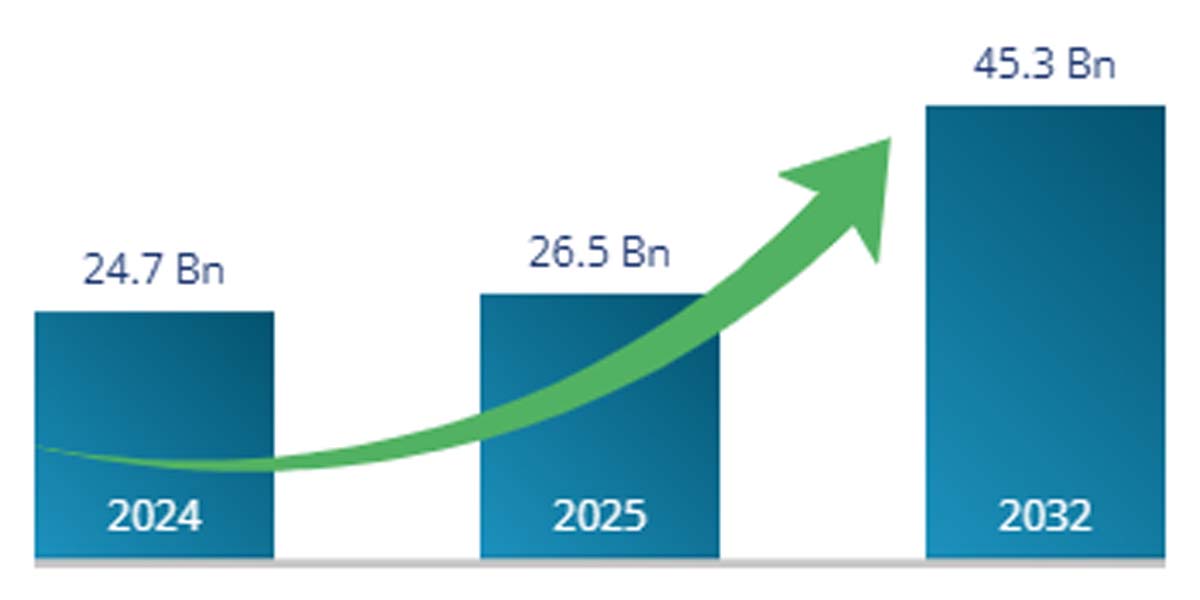
Electronic waste (e-waste) is one of the fastest-growing waste streams in the world. In 2025, the global e-waste volume is expected to reach record levels, creating both challenges and opportunities for the recycling industry.
Understanding the E-Waste Problem
E-waste includes discarded electronic devices such as computers, smartphones, televisions, and appliances. These devices contain valuable metals and materials, but also hazardous substances that require proper handling.
- Volume of E-Waste: The volume of e-waste is growing rapidly, driven by increasing consumption, shorter product lifecycles, and technological innovation. Global e-waste generation is expected to reach 74 million tonnes by 2030.
- Environmental Impact: Improper disposal of e-waste can lead to environmental pollution and health risks. Hazardous substances like lead, mercury, and cadmium can contaminate soil and water.
- Valuable Materials: E-waste contains valuable metals including copper, gold, silver, and palladium. These metals can be recovered through proper recycling.
- Data Security: Data security is a growing concern with e-waste. Proper data destruction is essential for protecting sensitive information.
The E-Waste Recycling Process
E-waste recycling involves several steps:
- Collection: E-waste is collected from consumers, businesses, and other sources. Collection systems include drop-off points, collection events, and mail-back programs.
- Sorting: Collected e-waste is sorted by type and condition. Functional devices may be refurbished for reuse, while non-functional devices are processed for recycling.
- Processing: E-waste is processed to recover valuable materials. This may involve manual dismantling, automated shredding, and advanced sorting technologies.
- Material Recovery: Recovered materials are sold to manufacturers for use in new products. This includes metals, plastics, glass, and other materials.
- Hazardous Waste Management: Hazardous substances are handled according to environmental regulations to ensure safe disposal.
Opportunities in E-Waste Recycling
The e-waste recycling sector offers significant opportunities:
- Growing Market: The e-waste recycling market is expected to grow significantly as awareness increases and regulations tighten.
- Technological Innovation: Advances in sorting technology are improving the efficiency and effectiveness of e-waste recycling.
- Circular Economy: E-waste recycling is central to the circular economy, enabling the recovery and reuse of valuable materials.
- Job Creation: The e-waste recycling industry creates jobs in collection, processing, and recovery.
Challenges in E-Waste Recycling
Despite its potential, e-waste recycling faces several challenges:
- Complexity: Electronic devices are complex and contain many different materials, making recycling challenging.
- Cost: E-waste recycling can be expensive, particularly for devices with low material value.
- Regulation: E-waste recycling is subject to regulations that vary by region, creating complexity for businesses.
- Informal Sector: A significant portion of e-waste is handled by the informal sector, often without proper environmental safeguards.
- Data Security: Ensuring data security during e-waste recycling is a growing concern, particularly for businesses and government agencies.
What You Can Do
Individuals and businesses can contribute to e-waste recycling:
- Recycle Responsibly: Use certified e-waste recyclers to ensure proper handling.
- Extend Product Life: Repair and upgrade devices instead of replacing them.
- Donate Functional Devices: Donate working devices to schools, charities, or refurbishment programs.
- Choose Sustainable Products: Look for products with longer lifespans and better recyclability.
- Educate Others: Spread awareness about the importance of e-waste recycling.