
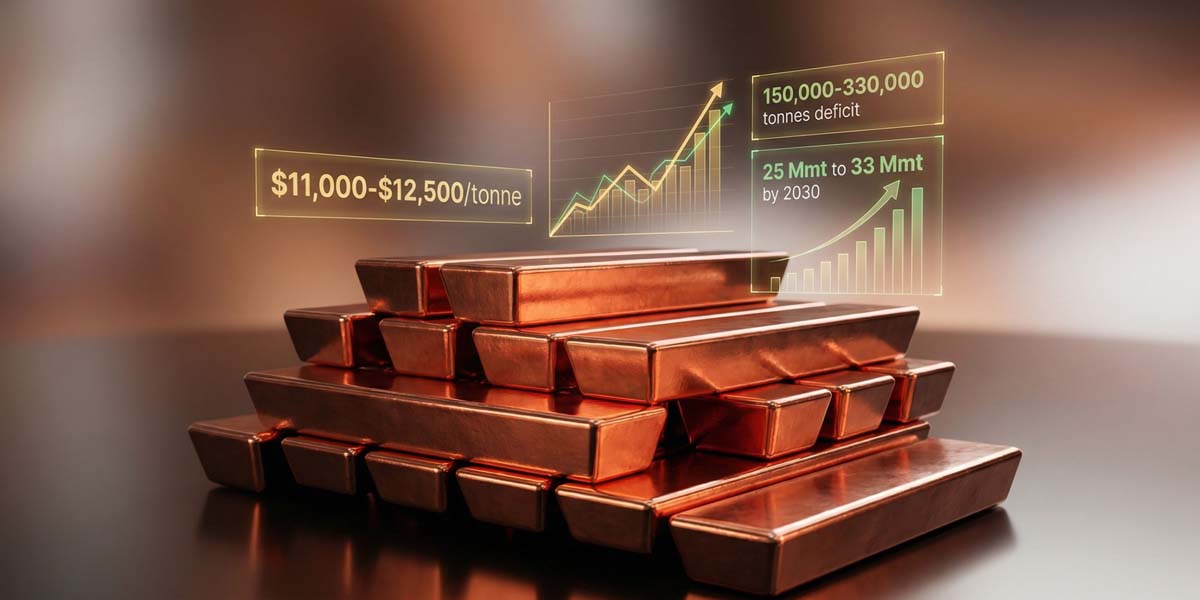
Copper prices have reached unprecedented levels in 2026, driven by strong demand from the construction, electronics, and renewable energy sectors. This surge is creating significant opportunities for scrap sellers and recyclers worldwide.
Why Are Copper Prices Rising?
Several factors are contributing to the surge in copper prices:
- Supply Constraints: Mining operations have faced significant challenges including labor disputes, supply chain disruptions, declining ore grades, and geopolitical tensions in major copper-producing regions like Chile, Peru, and the Democratic Republic of Congo. These factors have limited copper supply, driving up prices.
- Strong Demand: The global economic recovery has led to increased demand for copper in construction, infrastructure, and manufacturing. The green energy transition is a major driver, with electric vehicles requiring 3-4 times more copper than conventional vehicles and renewable energy infrastructure requiring significant amounts of copper for wiring and components.
- Investment Interest: Copper is increasingly seen as a strategic commodity, attracting investment from funds and institutions. Copper futures and ETFs have seen significant inflows as investors bet on continued demand growth.
- Geopolitical Factors: Tensions in copper-producing regions, export restrictions, and trade disputes have added to supply concerns and price volatility.
- Inventory Depletion: LME (London Metal Exchange) warehouses have seen inventories decline to multi-year lows, indicating tight market conditions.
Historical Context
Copper prices have experienced significant volatility over the years. The current price levels are among the highest in history, surpassing previous peaks:
- Previous Highs: Copper prices previously peaked in 2011 (around $10,000/tonne) and 2021 (around $10,700/tonne), driven by strong demand from China. However, current prices have exceeded these levels, reaching over $11,000/tonne.
- Market Trends: The copper market has shifted from surplus to deficit, reflecting growing demand and constrained supply. The global copper deficit is expected to continue as demand outpaces new mine supply.
- Long-Term Outlook: Analysts expect copper prices to remain elevated as demand continues to grow and supply remains constrained. Some forecasts predict $12,000-15,000/tonne by 2027.
- Structural Shift: The copper market is experiencing a structural shift driven by the energy transition, which is expected to create long-term demand growth.
What This Means for Scrap Sellers
For individuals and businesses selling copper scrap, these high prices present excellent opportunities:
- Premium Prices: Copper scrap is currently commanding premium prices, making it an ideal time to sell. Bare bright copper is trading at near-record premiums.
- Increased Demand: Recyclers and manufacturers are seeking quality copper scrap to meet their needs, creating strong demand and competitive pricing.
- Payment Options: Many recyclers are offering competitive payment terms, including fast payment, flexible options, and even instant payments for smaller quantities.
- Quality Premiums: Clean, high-quality copper scrap is commanding significant premiums over lower grades, incentivizing proper sorting and preparation.
- Market Access: Digital platforms are making it easier to access multiple buyers and compare prices.
Types of Copper Scrap
Different types of copper scrap command different prices:
- Bare Bright Copper: The highest grade of copper scrap, consisting of clean, uncoated copper wire. Commands premium prices (typically 95-98% of LME price).
- Copper Wire (#1 Copper): Clean copper wire with some oxidation or coating. Prices slightly lower than bare bright.
- Copper Tubing (#2 Copper): Copper pipes and tubing from plumbing and HVAC systems. Prices depend on cleanliness and condition.
- Copper Radiators: Copper and brass radiators from vehicles and buildings. Often contain a mix of metals and require separation.
- Copper Cable: Insulated copper cable. Prices vary based on copper recovery rate and insulation type.
- Copper Shavings: Copper turnings and shavings from machining processes. Usually lower value due to oil contamination.
Tips for Selling Copper Scrap
To maximize the value of your copper scrap, consider these tips:
- Sort and Separate: Separate different types of copper to get the best prices. Keep bare bright separate from insulated wire and tubing.
- Remove Contaminants: Remove non-copper materials like plastic, steel, and insulation. This can significantly increase the value.
- Strip Insulation: Stripping insulation from copper wire can increase its value by 20-30%.
- Clean Your Scrap: Clean copper scrap is worth more than contaminated material. Remove dirt, paint, and other coatings.
- Stay Informed: Monitor copper prices to sell at the right time. Consider selling when prices are at cyclical highs.
- Compare Buyers: Get quotes from multiple buyers to ensure you get the best price.
- Consider Timing: Copper prices often rise in spring and summer due to construction activity, so consider selling during these periods.
Market Outlook
Analysts remain bullish on copper prices, citing strong demand fundamentals. The green energy transition is expected to continue driving demand for copper, while supply constraints are likely to persist. This suggests that copper prices may remain elevated for the foreseeable future, with potential for further upside as demand accelerates.
The copper market is expected to remain in deficit through 2027, supporting elevated prices. This presents a significant opportunity for scrap sellers to maximize returns on their copper materials.