
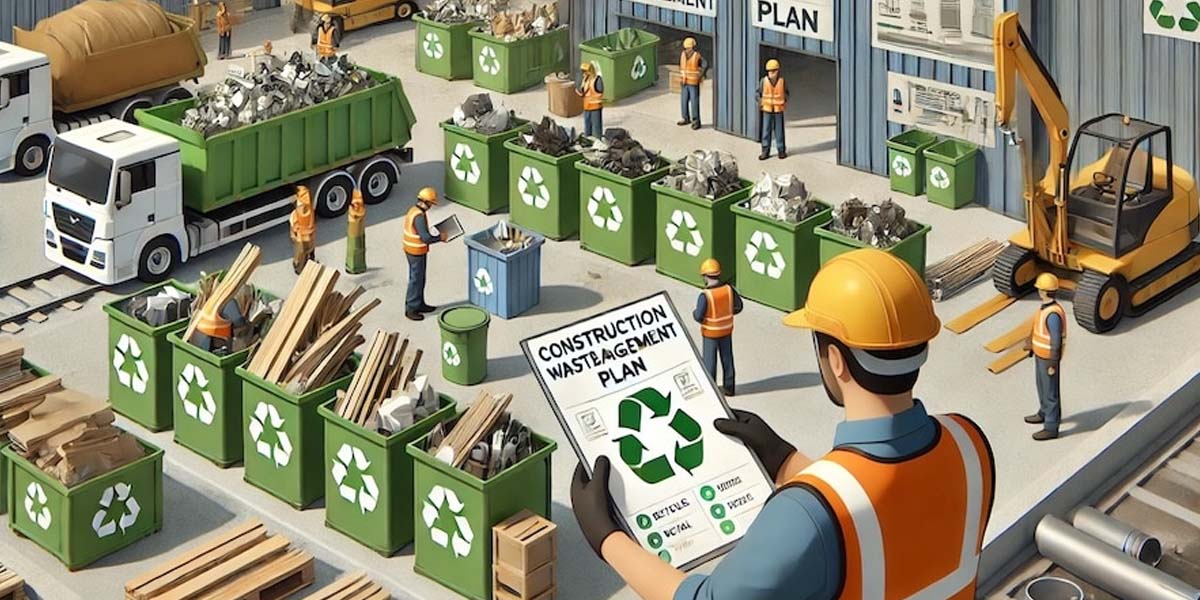
Construction and demolition (C&D) waste is one of the largest waste streams globally. However, much of this material can be recycled, creating significant environmental and economic benefits.
Understanding Construction Waste
Construction waste includes materials generated during construction, renovation, and demolition activities:
- Types of Construction Waste: Common materials include concrete, wood, metals, drywall, cardboard, and plastic.
- Volume of Waste: The construction sector is responsible for a significant portion of global waste, highlighting the need for effective recycling practices.
- Environmental Impact: Construction waste contributes to landfill volume and resource consumption. Recycling this waste reduces these impacts.
- Cost Savings: Recycling construction waste can save money on disposal fees and material costs.
Materials That Can Be Recycled
Many construction materials can be recycled or repurposed:
- Concrete: Concrete can be crushed and recycled as aggregate for new construction projects. This reduces the need for virgin materials and saves energy.
- Wood: Wood waste can be recycled into mulch, wood chips, or engineered wood products. It can also be used for biomass energy.
- Metals: Steel, copper, aluminum, and other metals are highly recyclable. They can be melted down and used to manufacture new products.
- Drywall: Gypsum from drywall can be recycled into new drywall or used as a soil amendment.
- Cardboard and Plastic: Packaging materials like cardboard and plastic can be recycled, reducing waste and resource consumption.
- Bricks and Tiles: Bricks and tiles can be cleaned and reused in new construction projects.
The Recycling Process
Construction waste recycling involves several steps:
- Sorting: Waste is sorted by material type at the construction site or at a recycling facility.
- Processing: Materials are processed to prepare them for recycling. This may involve crushing, shredding, and cleaning.
- Recovery: Recycled materials are recovered and sold to manufacturers for use in new products.
- Disposal: Materials that cannot be recycled are disposed of in an environmentally responsible manner.
Benefits of Construction Waste Recycling
Recycling construction waste offers numerous benefits:
- Environmental: Recycling reduces landfill waste and conserves natural resources.
- Economic: Recycled materials are often cheaper than virgin materials, reducing construction costs.
- Regulatory Compliance: Many jurisdictions have regulations requiring construction waste recycling.
- Corporate Responsibility: Companies that recycle demonstrate corporate responsibility and may qualify for green building certifications.
- Community Benefits: Recycling supports local economies and creates jobs.
Best Practices for Construction Waste Recycling
To maximize the effectiveness of construction waste recycling:
- Plan Ahead: Develop a waste management plan before construction begins.
- Set Up On-Site Sorting: Provide separate containers for different materials to facilitate recycling.
- Work with Certified Recyclers: Partner with certified recyclers to ensure proper handling.
- Educate Workers: Train workers on waste sorting and recycling practices.
- Monitor and Report: Track waste volumes and recycling rates to identify improvement opportunities.
- Design for Deconstruction: Design buildings with deconstruction in mind, making it easier to recover materials at the end of their life.