
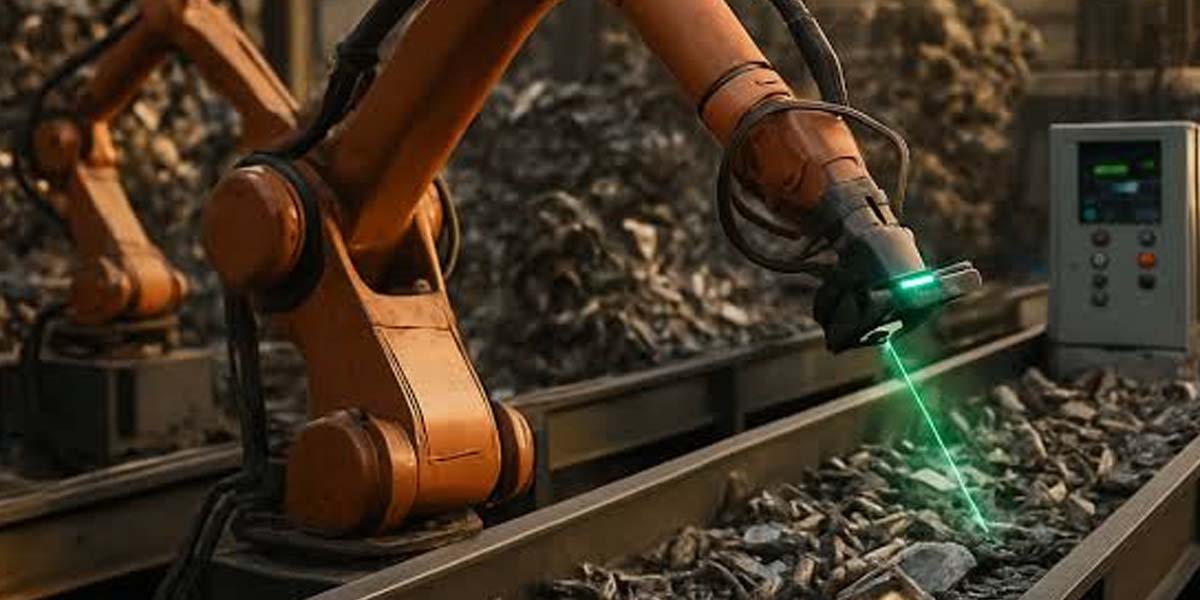
Automation is revolutionizing the scrap recycling industry. From AI-powered sorting to robotic processing, technology is transforming how scrap materials are collected, sorted, and processed.
Key Automation Technologies
Several automation technologies are driving change in the industry:
- AI-Powered Sorting: Artificial intelligence and machine learning are enabling more accurate and efficient material sorting.
- Robotic Processing: Robots are handling dangerous and repetitive tasks, improving safety and efficiency.
- Automated Shredding: Advanced shredding systems process materials faster and more efficiently.
- Digital Tracking: IoT sensors and digital tracking systems are monitoring material flows and optimizing operations.
- Data Analytics: Big data analytics are providing insights into operations and market trends.
Benefits of Automation
Automation offers numerous benefits for the recycling industry:
- Improved Efficiency: Automated systems process materials faster and more consistently than manual methods.
- Cost Reduction: Automation reduces labor costs and improves operational efficiency.
- Safety: Robotics handle dangerous tasks, reducing workplace injuries.
- Quality: Automated sorting produces higher quality recycled materials.
- Scalability: Automated systems can be scaled to handle increasing volumes.
Challenges and Considerations
While automation offers significant benefits, there are challenges to consider:
- Initial Investment: Automation requires significant upfront investment.
- Training: Workers need training to operate and maintain automated systems.
- Integration: Integrating automation with existing operations can be complex.
- Maintenance: Automated systems require regular maintenance and updates.
- Job Impact: Automation may impact employment in the recycling sector.
The Future of Automation
The future of automation in scrap recycling looks promising:
- Continued Innovation: New technologies will continue to improve efficiency and capabilities.
- Integration: Automation will become increasingly integrated with other industry systems.
- Adoption: More companies will adopt automation to remain competitive.
- Collaboration: Industry collaboration will drive innovation and best practices.